3 Key Takeaways from Gartner SRM Summit 2026: AI Risk Has Entered the Enterprise

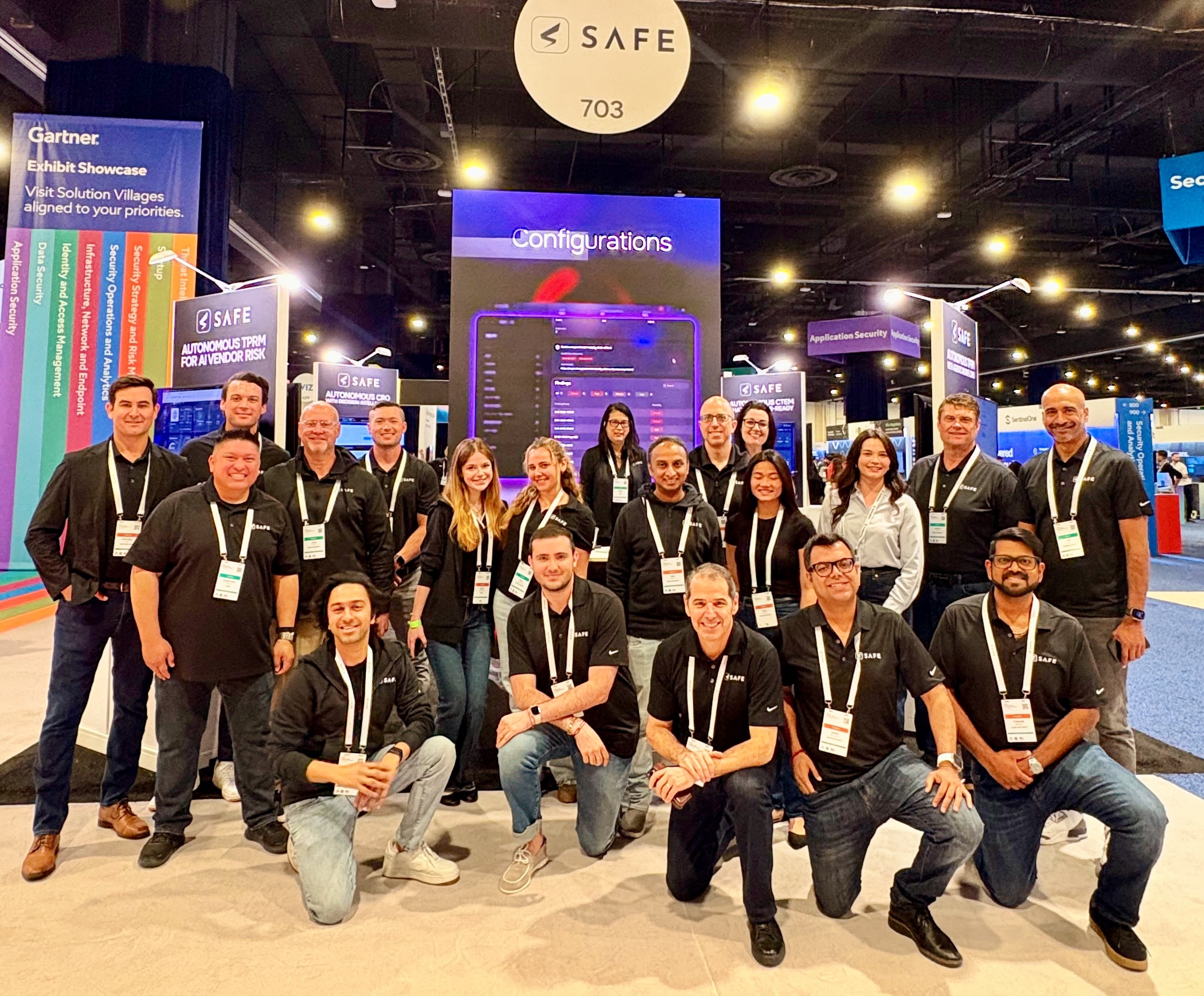
Key Takeaways on AI, TPRM, and Cybersecurity Superintelligence

By: Saket Bajoria
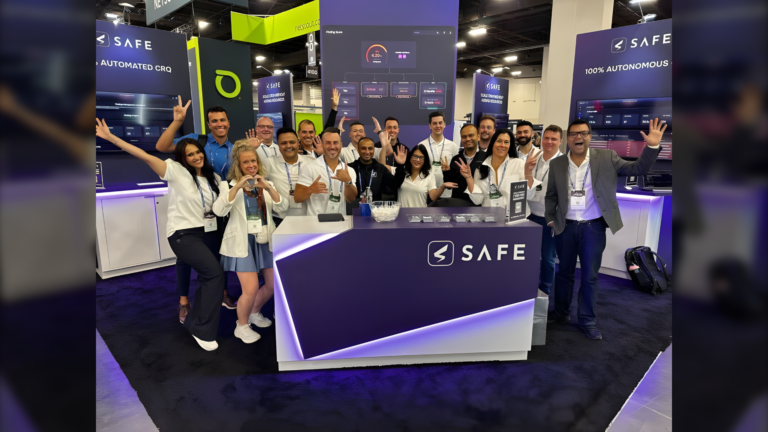
Fresh off the summit, one thing is clear: cybersecurity is entering a new era. AI is no longer a future trend, a boardroom experiment, or an isolated productivity tool. It is already inside the enterprise: across employees, vendors, applications, development environments, cloud platforms, and now autonomous agents.
And with that, the CISO mandate is changing.
The conversations at Gartner SRM 2026 made one thing unmistakable: the old cybersecurity operating model will not scale.
Here are three critical takeaways.
1. AI Risk is a Core Cybersecurity Priority
AI was everywhere at Gartner SRM 2026, but the tone has changed.
The conversation is no longer about whether enterprises should adopt AI. They already have. The question now is whether security teams can see, govern, and manage the risk AI introduces.
That risk is no longer limited to public GenAI tools. It now spans AI vendors, embedded AI in SaaS platforms, AI copilots, AI agents, AI applications, model supply chains, data flows, prompts, files, permissions, and third-party integrations.
This creates a fundamental visibility problem.
Most organizations do not have one clear answer to basic questions:
- Where is AI being used?
- What sensitive data is being shared?
- Which vendors are involved?
- What contracts govern that usage?
- What happens if an AI vendor is compromised?
That is why AI risk can no longer sit only with innovation teams, legal, compliance, or procurement. It needs to become part of the cybersecurity operating model.
This was further solidified in our session where SAFE CEO Saket Modi took the stage with Gopi Shah, General Manager of IT Risk Management at Delta Air Lines about something every security leader in the room wanted to hear: “Your AI Vendors Will Get Hacked. Are You Ready?”
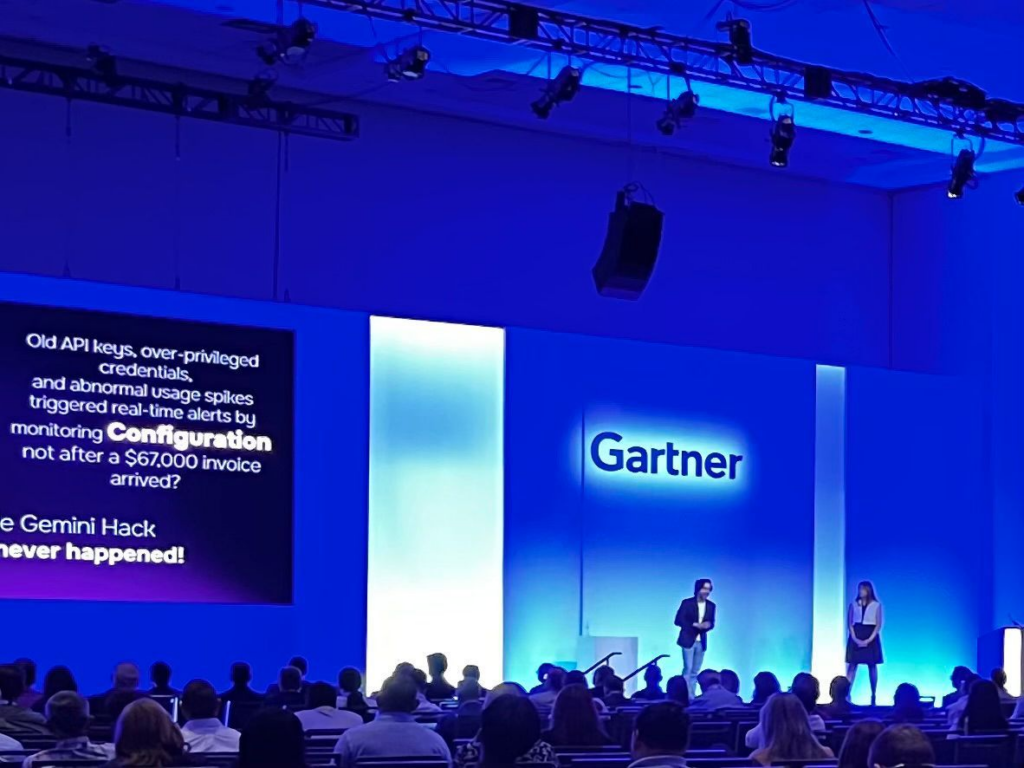
AI risk is not one-dimensional. It is not just a policy, a questionnaire, or a vendor inventory claiming they have a comprehensive AI compliance. It requires continuous visibility across live activity, configurations, contracts, outside-in exposure, compliance evidence, and business context.
That is why we launched SAFE AI Security Posture Management (AI-SPM) at Gartner and saw immense traction from the attendees. The enterprises that win with AI will not be the ones that move blindly. They will be the ones who move fast with control.
2. Scaling TPRM Through Autonomous Intelligence
Third-party risk was once treated as a governance workflow. At Gartner SRM 2026, it was clear that model is no longer enough.
Today, enterprises rely on thousands of third parties across SaaS, cloud, APIs, MSPs, data processors, and AI platforms. And as more SaaS vendors embed AI into their products, organizations are still struggling to govern their own AI usage, let alone understand and manage how their third parties are using AI.
Yet most TPRM programs are still operating with the same old machinery: annual questionnaires, static spreadsheets, siloed tools, manual follow-ups, and point-in-time assessments.
That gap is becoming impossible to ignore.
That is why the future of TPRM is continuous third-party cyber risk management.
SAFE’s autonomous TPRM approach is built for exactly this shift: moving from fragmented vendor assessment to always-on vendor risk intelligence, powered by agentic workflows that can assess, prioritize, monitor, and trigger action at scale.
3. Security Teams Need Cybersecurity Superintelligence
Gartner SRM 2026 made another point clear: security teams cannot manage AI-era risk with manual workflows alone.
Security teams are being asked to monitor more vendors, more AI tools, more exposures, more identities, more regulations, more business units, and more board-level questions — without unlimited headcount.
AI has to become part of the answer.
The opportunity is in purpose-built, governed AI agents that can do the repetitive heavy lifting: collecting evidence, analyzing questionnaires, detecting control gaps, monitoring vendor changes, mapping exposures to business impact, identifying conflicts, generating tickets, and helping teams act faster.
This is the shift from AI as an assistant to AI as an operating layer.
SAFE is on a mission to create Cybersecurity Superintelligence that acts as a reasoning layer across enterprise risk management. SAFE’s Agentic Workflow Engine, powered by 100+ AI Agents, helps security and risk teams move from manual triage to autonomous risk reduction — with human oversight where it matters most.
The future security team will not be replaced by AI. But it will be transformed by AI.
Analysts will spend less time chasing questionnaires, reconciling spreadsheets, and manually correlating signals. They will spend more time making decisions, managing exceptions, and reducing risk.
Looking Ahead: The AI Era Needs a New Cyber Risk Operating Model
Gartner SRM 2026 confirmed what many security leaders are already feeling: the pressure is rising, the surface area is expanding, and the old model is reaching its limits.
The future of cybersecurity is continuous, autonomous, and business-driven. That means continuous visibility across AI and third parties. Autonomous workflows that reduce analyst burden. Quantified risk that speaks the language of the board. And agentic security operations that help teams act before exposure becomes impact.
At SAFE, we believe the next chapter of cyber risk management is autonomous, transparent, and scalable.
Related Posts
 Cybersecurity
10 Most Common Cybersecurity Blind Spots
Nearly 90% of cyberattacks are caused by human error, so it’s important to understand and address your organization’s cybersecurity weak spots. Many organizations struggle to maintain a clear…
Cybersecurity
10 Most Common Cybersecurity Blind Spots
Nearly 90% of cyberattacks are caused by human error, so it’s important to understand and address your organization’s cybersecurity weak spots. Many organizations struggle to maintain a clear…
 Blog
2025 in Retrospect: SAFE Steers the Industry Towards Autonomous Cyber Risk Management
By: Sweta Bhattacharya 2025 wasn’t just a milestone year for SAFE: it was the year the entire cyber risk management landscape shifted. Every major shift in the SAFEOne…
Blog
2025 in Retrospect: SAFE Steers the Industry Towards Autonomous Cyber Risk Management
By: Sweta Bhattacharya 2025 wasn’t just a milestone year for SAFE: it was the year the entire cyber risk management landscape shifted. Every major shift in the SAFEOne…