Don’t let AI define you – write your next job description
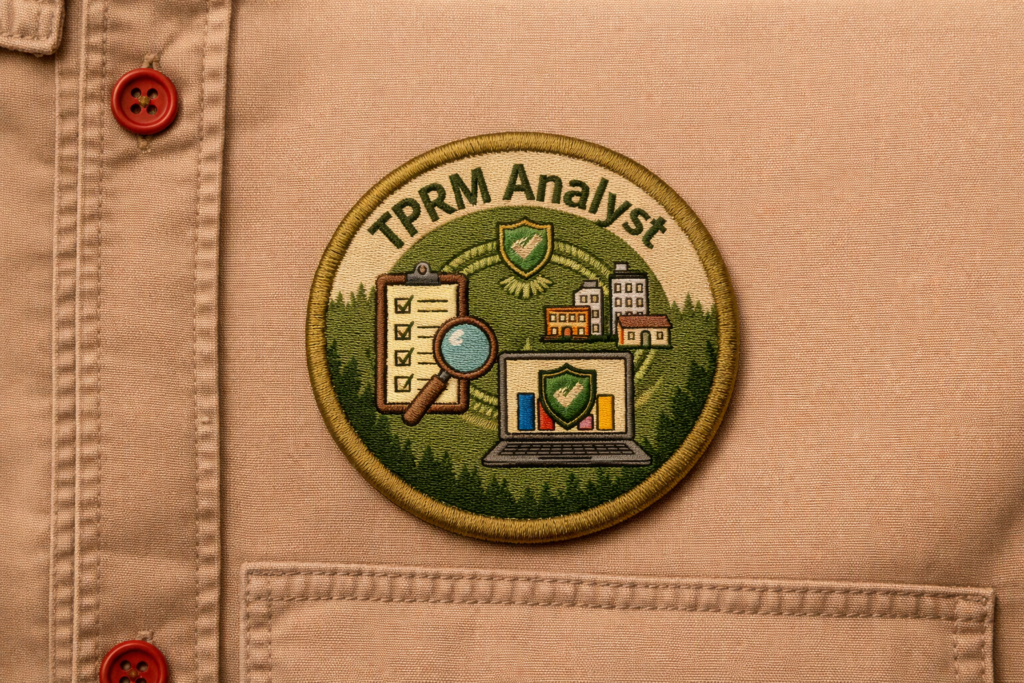
A while ago, we introduced you to The Painful Reality of a TPRM Analyst: A Day in the Life of Sam. The poor guy spent his days on an endless treadmill of third-party assessments, bugging vendors to fill our intake forms, hunting for documentation of breaches, guessing at risk ratings and logging everything on spreadsheets.
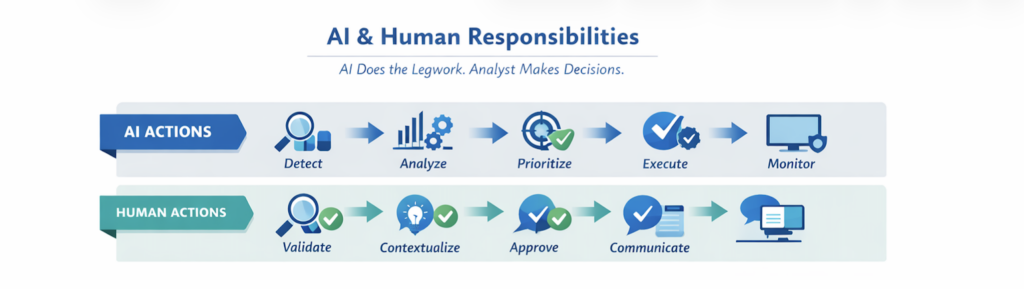
We hope that’s all a fading memory by now, and Sam has joined the new era of TPRM, made possible by autonomous, agentic AI:
- AI detects and analyzes third-party risk at scale
- AI prioritizes and recommends at speed.
- Sam validates and decides
- AI executes and monitors
- Sam communicates to decision-makers in business terms
More than a fast-forward version of current practices, the new TPRM requires a new mindset. We put together a short Training Guide for a beginner or practicing third-party risk analyst – a briefing on key concepts to internalize to get on board with the AI era. Each module links to a SAFE blog post for background — and you’ll find a wealth of other TPRM materials on our website.
Guide Contents:
Module 1: Foundations — Risk, Not Checklists
Module 2: Scenario Thinking — Where AI Helps (and Humans Are in the Loop)
Module 3: Vendor Tiering — AI-Assisted Prioritization
Module 4: Data Collection — From Legwork to Oversight
Module 5: Continuous Monitoring — AI as the Sensor Layer
Module 6: Fourth-Party Risk — AI Mapping the Ecosystem
Module 7: Frameworks — AI for Mapping, Analysts for Meaning
Module 8: Autonomous TPRM — The Operating Model Shift
Module 9: The New Analyst Role — From Operator to Decision Authority
Module 1: Foundations — Risk, Not Checklists
Core Concepts
Third-party risk is not a checklist problem. It is a loss exposure problem driven by vendors or other external dependencies. Your goal is not to “assess vendors”—it is to reduce loss exposure. Also, you are not joining a questionnaire factory. You are joining a risk analysis function augmented by agentic AI.
What Changes with AI:
- Data collection is 100% automated and autonomous
- Vendor attack-surface monitoring is continuous
- Risk signals are pre-processed — risk assessment is 100% automated
Key Analyst Takeaways:
- Your job is not to gather data—it is to interpret AI-generated risk signals
- Focus on loss exposure and decision impact
- Treat AI outputs as inputs to analysis, not final answers
Reading Assignment
TPRM: Hard Lessons and What Needs to Change
Module 2: Scenario Thinking — Where AI Helps (and Humans Are in the Loop)
Core Concept:
Most third-party incidents fall into a small number of recurring patterns.
Common Scenarios:
- Vendor credential compromise → unauthorized access
- SaaS provider breach → data exfiltration
- Vendor outage → business interruption
- API integration weakness → lateral movement
AI Role:
- Identifies patterns across vendors and incidents
- Suggests likely risk scenarios
Analyst Role:
- Validate whether scenarios are contextually relevant
- Refine scenarios based on business context and exposure
Key Analyst Takeaways:
- AI scales pattern recognition; you provide judgment and context
- Always pressure-test:
“Is this scenario plausible for this vendor in our environment?”
Reading Assignment
8 Third-Party Risk Examples Every Security Team Should Know
Module 3: Vendor Tiering — AI-Assisted Prioritization
Core Concept:
Not all vendors matter equally. Prioritization is essential.
How to Tier Effectively:
- Tier by probable loss exposure, not vendor size
- Consider:
- Data sensitivity
- System access
- Operational criticality
- Reassess tiers continuously
AI Role:
- Automatically tiers vendors using data signals (access, exposure, telemetry)
Analyst Role:
- Validate tiering logic and adjust for business nuance
- Override when necessary (e.g., strategic vendors, hidden dependencies)
Key Analyst Takeaways:
- AI accelerates prioritization, but misclassification risk remains
- Your role is to ensure tiering reflects true loss exposure
Reading Assignment:
Discover Tiering for Effective Third-Party Risk Management
Module 4: Data Collection — From Legwork to Oversight
Core Concepts:
Vendor questionnaires are inputs—not answers.
Old Model:
Manual questionnaires, follow-ups, chasing vendors
New Model (Agentic AI):
- AI agents track, gather and analyze questionnaires and other evidence
- AI normalizes and scores responses
- AI enriches the information with external intelligence
Analyst Role:
- Review anomalies, inconsistencies, and high-risk signals
- Investigate where AI confidence is low
Key Analyst Takeaways:
- You are no longer a research assistant—you are a reviewer and investigator
- Spend time on exceptions, not routine responses
Reading Assignment:
Vendor Security Questionnaire Best Practices
The TPRM Analyst Evolution: Old vs. New
| Model | Old Model (Manual & Reactive) | New Model (AI-Augmented & Proactive) |
| Primary Tool | Spreadsheets & Manual Checklists | Autonomous AI Agents & Risk Dashboards |
| Data Collection | Chasing vendors for questionnaires | 100% Automated & Continuous Monitoring |
| Focus | “Questionnaire Factory” (Legwork) | Risk Analysis & Decision Authority |
| Speed | Slow, point-in-time assessments | Near real-time risk signals |
| Scope | Limited to direct vendors (3rd Party) | Full ecosystem mapping (4th Party) |
| Outcome | Compliance & Box-ticking | Reducing actual Loss Exposure |
Module 5: Continuous Monitoring — AI as the Sensor Layer
Core Concept:
External and internal risk signals should be aggregated into a single view
AI Role:
- Ingests telemetry (attack surface, threat intel, vulnerabilities)
- Detects changes in vendor risk posture in near real time
Analyst Role:
- Interpret which changes actually matter
- Trigger or validate response actions
Key Analyst Takeaways:
- Not every signal is meaningful—focus on material risk movement
- AI detects; you decide what requires action
Reading Assignment:
Leveraging AI to Transform TPRM
Module 6: Fourth-Party Risk — AI Mapping the Ecosystem
Core Concept:
You don’t have a complete picture of your third-party risk until you assess your vendors’ vendors.
AI Role:
- Maps, monitors vendor dependencies and shared infrastructure
- Identifies concentration risk automatically
Analyst Role:
- Evaluate systemic risk scenarios
- Assess potential for cascading failures
Key Analyst Takeaways:
- AI reveals the network; you assess impact pathways
- Focus on correlated risk, not isolated vendors
Reading Assignment:
Fourth Party Risk Management Best Practices
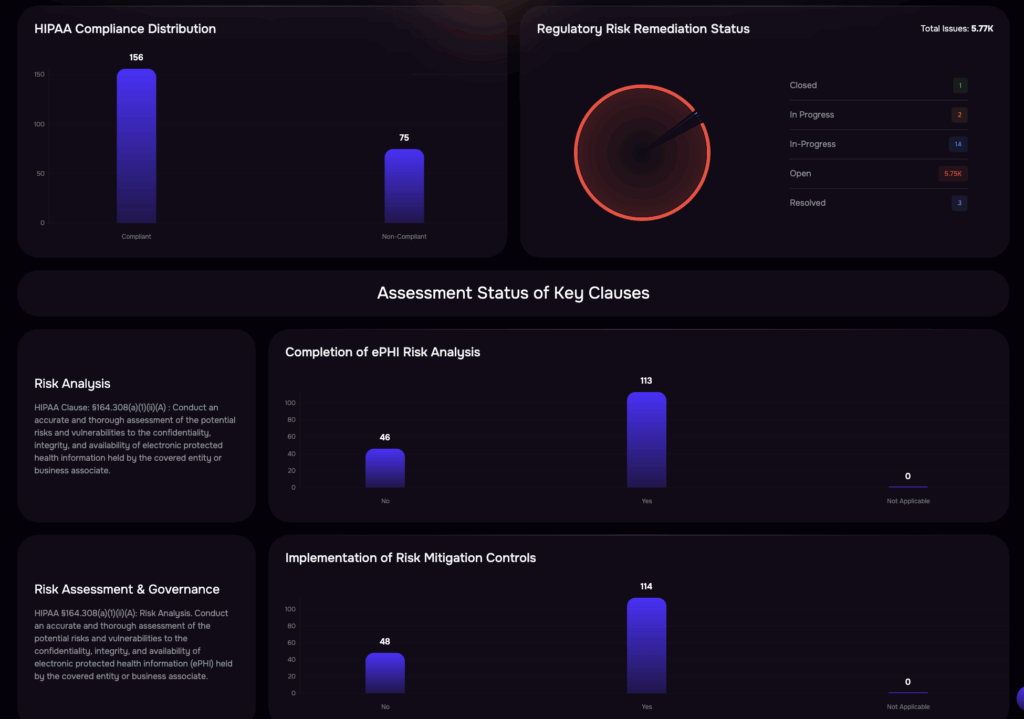
Assessing HIPAA compliance with the SAFE One platform
Module 7: Frameworks — AI for Mapping, Analysts for Meaning
Core Concept:
A risk-based approach to compliance turns an obligation into an advantage.
AI Role:
- Maps vendor controls to standards and frameworks automatically
Analyst Role:
- Translate control gaps into risk impact
- Avoid over-reliance on compliance alignment
Key Analyst Takeaways:
- Framework alignment ≠ risk reduction
- AI handles mapping; you determine what actually matters
Reading Assignment:
NIST Third-Party Risk Management
Module 8: Autonomous TPRM — The Operating Model Shift
Core Concept:
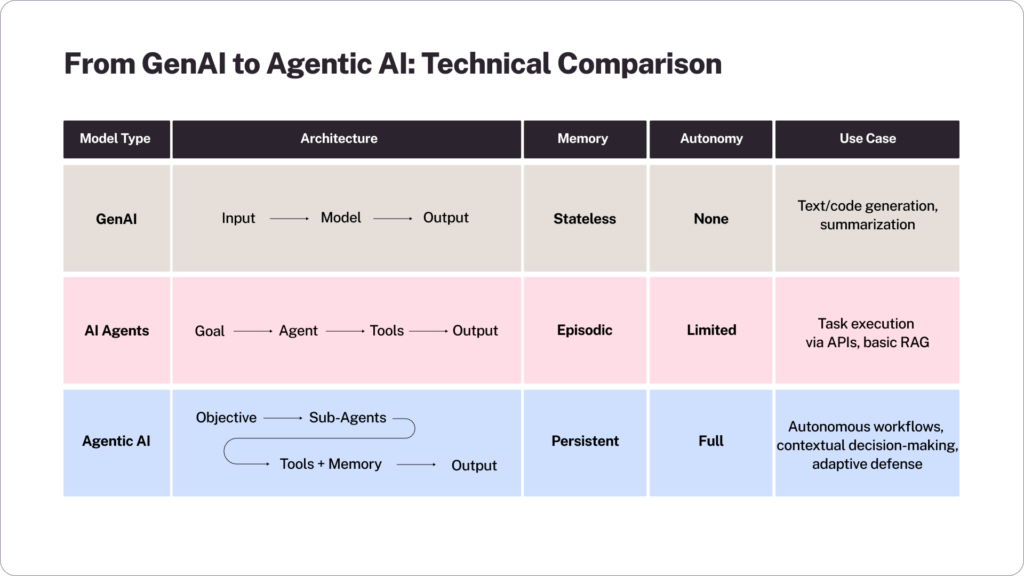
TPRM is becoming autonomous, driven by agentic AI systems that continuously assess, prioritize, and initiate actions.
What Autonomous AI Agents Do:
- Continuously monitor vendors
- Trigger reassessments automatically
- Initiate remediation workflows
- Recommend prioritized actions
What Analysts Do:
- Oversee agent decisions
- Approve or adjust high-impact actions
- Investigate edge cases and anomalies
Key Analyst Takeaways:
- You are effectively driving an agentic AI program
- Focus on:
- Exception handling
- Decision validation
- Strategic risk interpretation
- The system runs continuously—you ensure it runs correctly
Reading Assignment:
Reinventing TPRM: Why SAFE Built the First 100% Automated Platform
Module 9: The New Analyst Role — From Operator to Decision Authority
Core Concept:
Don’t let AI define you – write your new job description.
Old Role:
- Send questionnaires
- Track responses
- Maintain spreadsheets
New Role (AI-Augmented):
- Interpret risk signals
- Validate AI outputs
- Guide decisions and actions
Core Responsibilities:
- Challenge AI conclusions when needed
- Provide the business context that AI lacks
- Ensure decisions align with risk appetite
Key Analyst Takeaways:
- You will spend more time thinking, less time doing
- Your value is in:
- Judgment
- Context
- Decision quality
Reading Assignment:
From Compliance to Decision Science with Cyber Risk Intelligence
ABOUT SAFE TPRM
SAFE TPRM is the only fully autonomous third-party risk management solution, using agentic workflows to scale programs, guide vendor decisions, and strengthen cyber resilience without adding headcount. SAFE TPRM has been recognized as #1 in TPRM for product capability by Liminal Research. See for yourself – Contact us for a demo.