From Blue Lights to Boardrooms: What Policing Taught Me about Third-Party Risk


For a CISO or a police officer, preparation makes fast, effective decisions possible
Before I ever sat in a boardroom discussing third-party risk, I spent years as a Chief Inspector in UK policing. My job required making decisions under pressure often with incomplete information, real-world consequences, and no luxury of de
What struck me, when I later began working with CISOs and TPRM teams, was how familiar their challenges felt.
Different environment. Same decision dynamics.
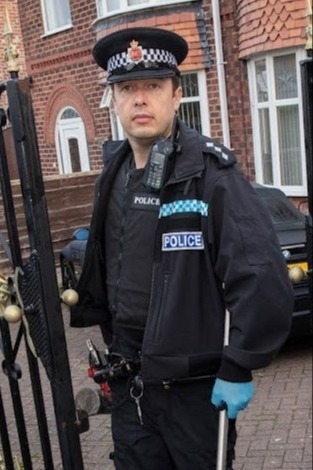
Paul Chadwick is a Senior Sales Engineer in Solutions Architecture for SAFE, based in the UK. Image: Paul in his police days.
Managing Three Levels of Risk All at Once
In policing, we are trained to operate across operational, tactical, and strategic layers simultaneously.
Picture this:
- Operational:
I’m driving on blue lights to a live incident. Speed, safety, route choice, and immediate risk to the public are front of mind. - Tactical:
While driving, I’m issuing orders, allocating officers, deciding whether specialist resources are needed, assessing entry options, and considering legal powers all in real time. - Strategic:
In parallel, I’m applying the National Decision Model (NDM) weighing legality, proportionality, ethics, public confidence, and longer-term consequences. PESTLE* considerations aren’t theoretical; they shape every command decision.
*(PESTLE = Political, Economic, Social, Technological, Legal and Environmental considerations).
These layers never pause for one another. They stack. They collide. And they demand preparation before the crisis begins. When stress is high and time is low, you fall back on structure, not improvisation.
You rely on:
- Pre-defined decision models and playbooks
- Clear risk thresholds
- Consistent documentation
- Confidence that earlier judgments were sound
You don’t invent processes in the moment. You execute.
The CISO in a TPRM Breach Feels Very Familiar
Now replace the incident scene with a third-party breach.
The parallels are striking:
- Operational:
Alerts firing, vendors calling, systems impacted, executives asking for answers now. - Tactical:
What data is exposed?
Which vendor tier is this?
What contractual controls exist?
Who owns remediation? Who is the business owner?
What compensating controls can be applied? - Strategic:
Regulatory exposure, customer trust, legal implications, board reporting, and long-term risk posture all under scrutiny.
Just like policing, CISOs don’t get to deal with these sequentially.
They happen at the same time.
Preparation Is What Makes Speed Possible
When a breach occurs, the CISO is not deciding from scratch. You are relying on:
- Vendor tiering decisions made months earlier
- Questionnaires that captured real, relevant controls
- Risk acceptance decisions that were deliberate and documented
- A shared understanding of what “good” looks like
Without that groundwork, every incident becomes chaos.
Burning Down Risk, Not Just Recording It
One of the biggest differences I see between immature and mature TPRM programs is this:
- Immature programs record risk
- Mature programs actively burn it down
That means:
- Knowing which findings actually matter
- Prioritizing remediation based on impact, not volume
- Tracking improvement over time
- Being able to explain why a vendor is still acceptable — or not
This is where platforms like SAFE make a real difference. It is not just another black box.
Not by replacing judgment — but by supporting it.
SAFE as a Decision Enabler, Not a Checkbox Tool
The strongest tools don’t tell you what to think. They make it easier to think well under pressure.
SAFE supports CISOs and TPRM teams by:
- Structuring vendor risk tiering so urgency is clear
- Aligning questionnaires to decision-relevant controls
- Tracking remediation progress so risk is genuinely reduced
- Providing evidence when decisions are questioned later
It’s about defensibility.
Can you explain:
- What you knew at the time
- Why you judged the risk acceptable or not
- What actions you took to reduce exposure
If you can, you’re doing the job properly. You aren’t losing sleep at night.
Final Thought: Pressure Reveals the Quality of Preparation
Incidents don’t reward panic, they reward preparation.
The same is true for third-party risk.
When a breach hits, the CISO who performs best isn’t the one who reacts fastest, it’s the one who already knows:
- Which vendors matter most
- Which risks were accepted consciously
- Which controls can be relied upon
- Which actions will reduce risk now
That’s not luck. That’s design, and SAFE can help you with that.
At SAFE, we are fortunate to have a staff with a wide range of professional experience in addition to cybersecurity – including law enforcement. For another perspective, read this blog post by Josh Fazio, SAFE’s Global VP of the Solution Architects, a former police detective specializing in high-tech crime: The Detective’s Guide to Cyber Risk.
Related Posts
 Trends
Forbes Calls SAFE a Leader in Solutions that “Rethink” TPRM
“Autonomous, AI-driven TPRM platforms point to a path forward,” influential business magazine says. By Jeff Copeland Leading business journal Forbes is just out with an article that covers…
Trends
Forbes Calls SAFE a Leader in Solutions that “Rethink” TPRM
“Autonomous, AI-driven TPRM platforms point to a path forward,” influential business magazine says. By Jeff Copeland Leading business journal Forbes is just out with an article that covers…
 Trends
From AI Hype to Practical Action: Why a Scalable TPRM Program Is Your First Line of Defense
5 tips to keep headcount down with agentic AI, translate vendor risk to financial terms with CRQ, and more. SAFE TPRM Dashboard By Meghan Maneval The energy at…
Trends
From AI Hype to Practical Action: Why a Scalable TPRM Program Is Your First Line of Defense
5 tips to keep headcount down with agentic AI, translate vendor risk to financial terms with CRQ, and more. SAFE TPRM Dashboard By Meghan Maneval The energy at…
 Trends
How TPRM Leaders Can Effectively Partner with Business Stakeholders
Stop thinking like a process manager, start thinking like a risk expert By Vince Dasta The life of a third-party cyber risk manager can be a frustrating one.…
Trends
How TPRM Leaders Can Effectively Partner with Business Stakeholders
Stop thinking like a process manager, start thinking like a risk expert By Vince Dasta The life of a third-party cyber risk manager can be a frustrating one.…