
From Alert Fatigue to Adaptive Defense: Agentic AI Closes the Cybersecurity Resource Gap
The answer isn’t just more resources; it’s a radical change in how we scale our defense.
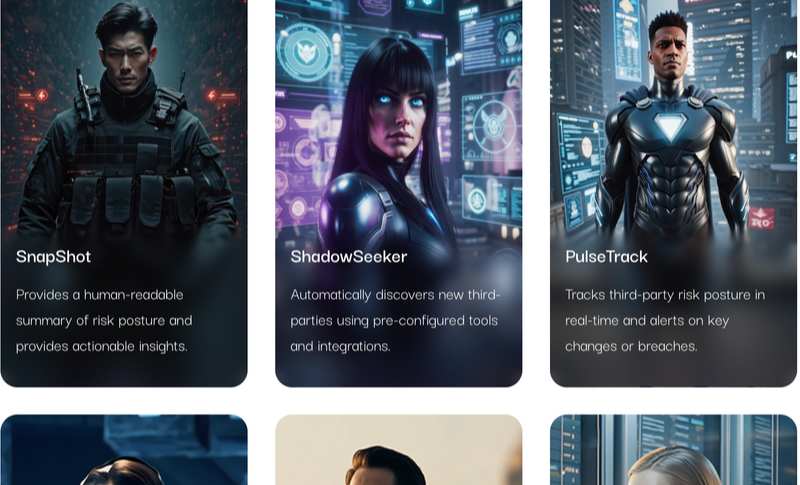
Agentic AI for cybersecurity on the SAFE One platform
In today’s cybersecurity landscape, teams are constantly being asked to “do more with less”. The grave reality is that the threat landscape is scaling faster than the resources or budgets designed to mitigate it. When you’re struggling to keep up with the overwhelming volume of alerts, logs, and third-party risk data, fighting sophisticated AI-launched attacks with manual processes is grueling and unsustainable. It’s like fighting a forest fire with a single bucket. No matter how skilled your human team is, the pace and scale of modern threats make this approach impossible.
The answer isn’t just more resources; it’s a radical change in how we scale our defense. We need to start fighting AI with AI.
From Simple Automation to Adaptive Agents
Agentic AI marks a massive shift from the Generative AI tools some organizations have adopted. While Generative AI helps humans create content, Agentic AI is designed to act on behalf of the human.
Think of Agentic AI as a digital bloodhound that never sleeps. These agents excel at repetitive, high-volume security tasks with clear outcomes, such as identifying access control violations or flagging infected endpoints.
However, this technology is not about replacement; it’s about amplification. By automating manual tasks like log review and alert triage, AI agents free human analysts to focus on strategy, threat hunting, and complex problem-solving. We should view AI agents as the cybersecurity equivalent of Jarvis from Iron Man: technology that enhances the human and scales our defenses in a hyper-connected world.
Shrinking Dwell Time and Empowering Human Resources
One of the most critical applications of agentic AI is accelerating incident response. Speed is everything in a breach scenario.
Agentic AI transforms response by:
- Processing at Scale: Analyzing vast telemetry data, logs, and threat intelligence in ways that far exceed human limits.
- Rapid Correlation: Correlating data across systems, simulating thousands of threat scenarios, and proposing remediation strategies in minutes, not months.
- Boosting Resilience: Automatically documenting response activities and updating playbooks to improve future readiness.
Embedded across the entire response lifecycle, Agentic AI dramatically shrinks dwell time, enhances resilience, and lets human teams focus on the strategic “why” rather than the tactical “what”.
The Shift to Proactive Prevention
The ultimate goal for Agentic AI is to move security teams from reactive defense to proactive prevention. Imagine an AI agent like a personal health coach. It tracks vitals, spots early warnings, and prescribes treatment before symptoms appear. Applied to cybersecurity, Agentic AI can forecast where risk will emerge, such as a new vendor, a misconfigured setting, or a trending exploit.
This shift is already being driven by the SAFE One platform that uses agentic AI to capture critical information throughout the vendor lifecycle, calculate financial exposure, and recommend treatment paths in real time.
Looking ahead, the true promise of Agentic AI lies in continuous threat and exposure management (CTEM). With SAFE’s recent acquisition of Balbix, the SAFE One platform will orchestrate asset inventories, vulnerability logs, and third-party signals into one dynamic model tied to real business impact. This orchestration allows organizations to anticipate threats, allocate resources intelligently, and shift to systems that are self-aware and self-healing.
Governance Is the Guardrail
As we adopt these powerful tools, governance is what keeps the progress on track. Compliance is the floor, not the ceiling. Instead of waiting for rules-based regulations, we must take a principles-based approach focused on trust, safety, and security.
Key governance steps include:
- Intentional Design: Define clear objectives, assess acceptable risk, and embed AI governance into business processes.
- The Fundamentals: Focus on the basics, starting with core concepts like access control, logging and monitoring, and asset management for each agent.
- Training: Training is the single most important mandated policy for any enterprise using AI. Teams must be trained on AI risk, governance, and ethical deployment.
The Path to Closing the Resource Gap
Ultimately, the best way to handle this shift is to embrace it! Agentic AI can help close the resource gap by providing speed and scale that amplify, not replace, human expertise. By processing vast telemetry data and correlating across systems, Agentic AI transforms the incident response lifecycle, enhances resilience, and scales your defense in a hyper-connected world.
With this, Agentic AI moves security teams from a perpetually reactive stance to proactive prevention. Instead of wasting human hours triaging alerts, AI agents forecast where risk will emerge, allowing human teams to strategically focus their efforts where they matter most.
It’s important to remember, though, that Agentic AI is about amplification, not replacement. By automating repetitive, high-volume tasks, AI agents free up your skilled cybersecurity analysts to focus on strategy, threat hunting, and the complex “why” rather than the tactical “what”.
This is how you successfully scale your team’s impact and finally “do more with less”.
To see how SAFE One is paving the way for Cyber AGI, schedule a demo today!
SUBSCRIBE TO WEEKLY BLOG NEWSLETTER


SHARE THE PAGE

